
Background
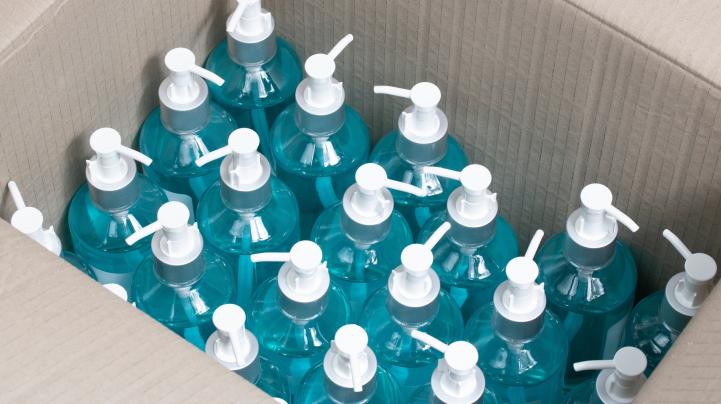
Antimicrobial ingredients are typically found in antibacterial hand soaps (hand washes) and hand sanitizers (hand rubs). Hand washes and hand rubs are over-the-counter (OTC) topical antiseptic drugs and thus are regulated by the US Food and Drug Administration (FDA). Household antibacterial soaps containing benzalkonium chloride (BAC), benzethonium chloride (BZT), and chloroxylenol (PCMX) remain under FDA’s ongoing review to characterize the safety and effectiveness of topical antiseptic active ingredients.
Historically, these products have been regulated under FDA’s OTC monograph system, which allows continued market access while FDA evaluates whether the ingredients are classified as “Generally Recognized as Safe and Effective” (GRAS/E). Recently, there has been an interest in regulating these products at the state level as well.
| FDA OTC Monograph Categories | Designation |
| I | GRASE/E |
| II | Not GRAS/E |
| III | Insufficient data for final classification |
Why It Matters
Antibacterial hand soaps play a critical role in reducing the spread of bacteria in both consumer and community settings. Removing these tools before FDA completes its thorough scientific review would undermine public health protections and limit consumer access to effective antibacterial options.
Premature state bans also risk creating a fragmented regulatory landscape that conflicts with federal law and disrupts interstate commerce. The Federal Food, Drug and Cosmetic Act (FD&C Act) is the federal law that regulates topical antiseptic drugs, preempting state law. These active ingredients remain in Category III under FDA’s authority and are lawfully marketed while safety and efficacy research progresses.
What's Next?
FDA’s review of BAC, BZT and PCMX remains ongoing, and ACI continues leading the industry’s scientific research to support a final determination on these ingredients. The Topical Antiseptics Program (TAP) continues to make progress on a suite of safety and efficacy studies, with planned touchpoints to update FDA as new data becomes available. Ensuring these ingredients remain lawfully on the market throughout this process is a top priority. The American Cleaning Institute (ACI) will remain engaged with state agencies, providing scientific insights and reinforcing the essential public health benefits of these products.
FAQ
A category III designation does not mean an ingredient is unsafe or ineffective; rather, it means FDA has not yet reached a conclusion because more data are needed on safety and/or efficacy. Products can remain on the market while data gaps are being filled.
The OTC monograph system was designed to avoid disrupting access to widely used public health products that may ultimately meet safety and efficacy standards.
These terms are often used interchangeably but have distinct regulatory and scientific meanings:
- Antimicrobial: Broad term for substances that kill or inhibit microorganisms such as bacteria
- Antiseptic: Antimicrobial products used on living tissue (usually skin), typically regulated by the FDA (in the U.S.)
- Disinfectant: Products used on surfaces as antimicrobial pesticides, typically regulated by EPA (in the U.S.)
The OTC monograph process is a category‑based rulemaking system: If a product uses ingredients, doses, claims and labeling that the FDA has already determined to be generally recognized as safe and effective (GRASE) for that OTC category, it can be marketed without product‑specific approval. By contrast, an NDA is a product‑specific approval pathway that requires the sponsor to submit clinical and other data demonstrating safety and efficacy for that formulation, and FDA must approve the application before marketing. The monograph pathway standardizes established OTC products, while the NDA pathway is used for new actives, new claims or deviations from monograph conditions.
A patchwork system arises when states adopt inconsistent rules for antimicrobial products. This can increase compliance complexity, raise costs and limit the availability of important products. It can also create confusion for consumers and retailers.
Removing antimicrobial ingredients may compromise safety in key sectors such as the food supply chain and food handlers, as well as home health care.
Allowing FDA to complete its review ensures decisions are based on comprehensive and consistent scientific evidence. This allows for regulatory certainty and public confidence. It also helps maintain access to important products during the evaluation process.